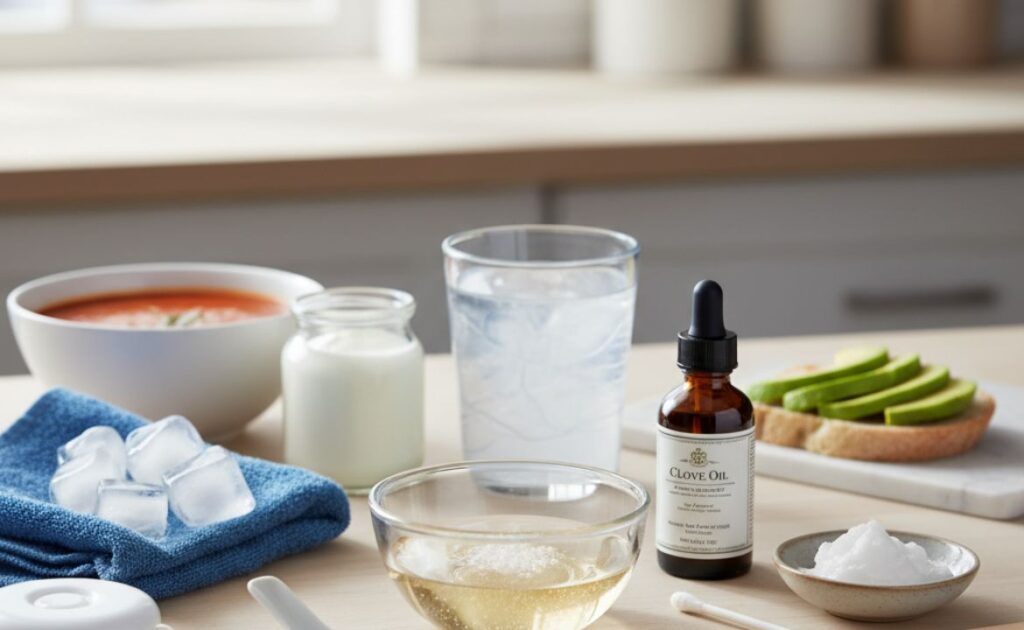

Dealing with a loose tooth can be both uncomfortable and concerning, especially when you’re wondering if there are ways to address it from the comfort of your home. Whether you’re experiencing tooth mobility due to gum disease, trauma, or other dental issues, understanding how to tighten a loose tooth at home can provide valuable insights into managing this condition safely. This comprehensive guide will explore proven methods, natural remedies, and essential precautions to help stabilize loose teeth while emphasizing the importance of professional dental care.
Understanding Loose Teeth: Causes and Concerns
Before exploring home remedies, it’s crucial to understand why teeth become loose in the first place. Adult teeth are designed to last a lifetime, anchored securely by periodontal ligaments and surrounded by healthy gum tissue and bone structure.
Primary Causes of Tooth Mobility
Periodontal Disease remains the leading cause of loose teeth in adults, affecting approximately 47.2% of adults aged 30 and older according to the Centers for Disease Control and Prevention. This condition occurs when bacterial plaque buildup leads to gum inflammation and bone loss around teeth.
Dental Trauma from accidents, sports injuries, or teeth grinding can damage the supporting structures, resulting in tooth looseness. Studies show that dental injuries affect nearly 25% of school-age children and 33% of adults at some point in their lives.
Hormonal Changes during pregnancy, menopause, or puberty can temporarily affect gum health and tooth stability due to increased blood flow and tissue sensitivity.
When You Can Safely Try Home Remedies
Learning how to tighten a loose tooth at home is most appropriate for mild cases of tooth mobility. Home treatments work best when:
- The looseness is minimal (Grade 1 mobility)
- There’s no severe pain or swelling
- The condition is recent and not progressive
- You’re already under dental supervision
It’s important to note that severe tooth mobility requires immediate professional intervention, and home remedies should complement, not replace, proper dental treatment.
Natural Methods to Strengthen Tooth Support
Oil Pulling Therapy
Oil pulling has gained recognition as an effective method for improving oral health and potentially helping with loose teeth. This ancient Ayurvedic practice involves swishing oil in your mouth to reduce harmful bacteria and inflammation.
How to perform oil pulling:
- Use 1 tablespoon of coconut, sesame, or sunflower oil
- Swish gently for 10-15 minutes (start with 5 minutes if you’re new to this)
- Spit the oil into a trash can (not the sink)
- Rinse with warm water and brush your teeth normally
Research published in the Journal of Traditional and Complementary Medicine indicates that oil pulling can significantly reduce plaque accumulation and gingivitis, which are key factors in tooth mobility.
Saltwater Rinses for Gum Health
Saltwater rinses represent one of the most accessible approaches when learning how to tighten a loose tooth at home. The antibacterial and anti-inflammatory properties of salt can help reduce gum swelling and promote healing.
Preparation and usage:
- Mix 1/2 teaspoon of salt in 8 ounces of warm water
- Rinse gently for 30-60 seconds, 2-3 times daily
- Focus on the affected area without aggressive swishing
Turmeric Paste Application
Turmeric contains curcumin, a powerful anti-inflammatory compound that can help reduce gum inflammation and support tissue healing. Creating a turmeric paste and applying it directly to affected gums may help stabilize loose teeth.
Creating turmeric paste:
- Mix 1 teaspoon turmeric powder with a few drops of water
- Apply to gums around the loose tooth
- Leave for 10-15 minutes before rinsing
- Repeat 2-3 times weekly
Dietary Approaches to Strengthen Teeth
Essential Nutrients for Dental Health
Your diet plays a crucial role in maintaining strong teeth and supporting gums. When exploring how to tighten a loose tooth at home, incorporating specific nutrients can significantly impact your oral health.
Calcium-Rich Foods:
- Dairy products (milk, cheese, yogurt)
- Leafy green vegetables (kale, collard greens)
- Sardines and canned salmon with bones
- Almonds and sesame seeds
Vitamin D Sources:
- Fatty fish (salmon, mackerel, sardines)
- Fortified cereals and milk
- Egg yolks
- Controlled sun exposure
Vitamin C for Gum Health:
- Citrus fruits (oranges, grapefruits, lemons)
- Bell peppers and broccoli
- Strawberries and kiwi fruit
- Tomatoes and leafy greens
Anti-Inflammatory Foods
Incorporating anti-inflammatory foods can help reduce gum inflammation and support the healing process around loose teeth. Omega-3 fatty acids, found in fish oil and flaxseeds, have shown particular promise in reducing periodontal inflammation.
Oral Hygiene Techniques for Loose Teeth
Gentle Brushing Methods
When dealing with loose teeth, your brushing technique becomes even more critical. Aggressive brushing can worsen tooth mobility, while proper gentle techniques can help improve gum health.
Recommended brushing approach:
- Use a soft-bristled toothbrush
- Hold the brush at a 45-degree angle to the gum line
- Use gentle circular motions rather than back-and-forth scrubbing
- Brush for two full minutes, twice daily
- Pay special attention to the gum line around loose teeth
Proper Flossing for Mobile Teeth
Flossing around loose teeth requires extra care and the right technique. When learning how to tighten a loose tooth at home, maintaining cleanliness around the affected area is essential for preventing further complications.
Safe flossing technique:
- Use waxed floss for easier insertion
- Gently slide the floss between teeth without snapping
- Curve the floss around each tooth in a C-shape
- Move the floss up and down gently along the tooth surface
- Be extra gentle around loose teeth to avoid further trauma
Herbal Remedies and Natural Solutions
Green Tea Rinses
Green tea contains catechins, powerful antioxidants that can help reduce inflammation and fight bacteria in the mouth. Regular green tea rinses may support gum health and potentially help with tooth stability.
Preparation method:
- Brew strong green tea and let it cool
- Use as a mouth rinse 2-3 times daily
- Hold the tea in your mouth for 1-2 minutes before spitting
- Avoid adding sugar or honey to maintain oral health benefits
Aloe Vera Gel Application
Aloe vera possesses anti-inflammatory and antimicrobial properties that can benefit gum health. Applying pure aloe vera gel to the gums around loose teeth may help reduce inflammation and promote healing.
Application process:
- Use pure, organic aloe vera gel
- Apply a small amount to clean fingertips
- Gently massage into gums around the loose tooth
- Leave for 10-15 minutes before rinsing
- Repeat 2-3 times daily
Lifestyle Changes to Support Tooth Stability
Stress Management and Teeth Grinding
Chronic stress often leads to teeth grinding (bruxism), which can worsen tooth mobility. Managing stress through relaxation techniques, exercise, and adequate sleep can help protect loose teeth from further damage.
Stress reduction strategies:
- Practice deep breathing exercises
- Try meditation or yoga
- Maintain regular sleep schedules
- Consider using a night guard if grinding occurs during sleep
Avoiding Harmful Habits
Certain habits can worsen loose teeth and should be avoided when learning how to tighten a loose tooth at home:
- Chewing on hard objects (ice, pens, fingernails)
- Using teeth as tools to open packages
- Smoking and tobacco use
- Excessive alcohol consumption
- Aggressive teeth cleaning
Professional Treatments vs. Home Care
When Home Remedies Aren’t Enough
While home treatments can be beneficial for mild tooth mobility, it’s essential to recognize when professional intervention is necessary. How to tighten a loose tooth at home methods work best as complementary treatments to professional dental care.
Warning signs requiring immediate dental attention:
- Severe pain or swelling
- Pus discharge around the tooth
- Difficulty eating or drinking
- Progressive loosening of the tooth
- Changes in bite alignment
Complementary Approach
The most effective strategy combines professional dental treatment with consistent home care. Your dentist may recommend:
- Professional deep cleaning (scaling and root planing)
- Splinting to stabilize loose teeth
- Bone grafting procedures
- Antibiotic therapy
- Surgical gum treatments
Prevention Strategies for Future Tooth Health
Daily Maintenance Routine
Establishing a comprehensive daily routine is crucial for preventing tooth mobility and maintaining overall oral health:
Morning routine:
- Gentle brushing with fluoride toothpaste
- Antimicrobial mouthwash rinse
- Oil pulling (if incorporating this practice)
Evening routine:
- Careful flossing around all teeth
- Gentle brushing with focus on gum line
- Saltwater rinse if recommended
Regular Dental Monitoring
Prevention remains the best approach to avoiding loose teeth. Regular dental check-ups every six months allow for early detection and treatment of potential problems before they progress to tooth mobility.
Success Stories and Case Studies
Research published in the International Journal of Dentistry documented cases where patients successfully improved mild tooth mobility through consistent home care combined with professional treatment. One study followed 45 patients over six months, showing that those who combined professional scaling with daily oil pulling and improved oral hygiene demonstrated significantly better outcomes in tooth stability compared to those receiving professional treatment alone.
Another case study from the Journal of Periodontology highlighted a 52-year-old patient who successfully stabilized loose teeth through a combination of dietary changes, stress reduction, and meticulous oral hygiene, avoiding the need for surgical intervention.
Monitoring Progress and When to Seek Help
Self-Assessment Techniques
When implementing how to tighten a loose tooth at home strategies, it’s important to monitor your progress:
- Gently test tooth mobility weekly (avoid excessive manipulation)
- Note any changes in pain levels
- Observe gum color and swelling
- Monitor bleeding during brushing or flossing
- Track improvements in overall oral comfort
Documentation and Professional Communication
Keep a simple log of your symptoms and home treatments to share with your dentist. This information helps healthcare providers assess the effectiveness of home remedies and adjust professional treatment plans accordingly.
Conclusion
Learning how to tighten a loose tooth at home involves a multifaceted approach combining natural remedies, improved oral hygiene, dietary modifications, and lifestyle changes. While home treatments can be valuable for managing mild tooth mobility, they work best as part of a comprehensive treatment plan that includes professional dental care.
The key to success lies in early intervention, consistent daily care, and regular professional monitoring. Natural methods like oil pulling, saltwater rinses, and anti-inflammatory dietary choices can support gum health and potentially help stabilize loose teeth when used consistently and correctly.
Remember that severe tooth mobility requires immediate professional attention, and home remedies should never delay necessary dental treatment. By combining the strategies outlined in this guide with regular dental care, you can take proactive steps toward maintaining strong, healthy teeth for years to come.
Take action today: Start by implementing gentle oral hygiene techniques and consider incorporating one or two natural remedies into your daily routine. Schedule a dental consultation to assess your specific situation and develop a comprehensive treatment plan that combines professional care with effective home management strategies.