
Key Takeaways
- A correct gutter slope is fundamental to channeling water away from your home and preventing costly damage.
- An improper slope leads to issues like standing water, overflowing gutters, and foundation risks.
- Regular inspections and professional installation ensure your gutters remain effective year-round.
Table of Contents
- Understanding Gutter Slope
- Consequences of Improper Gutter Slope
- Benefits of Proper Gutter Slope
- How to Ensure Proper Gutter Slope
- Common Mistakes to Avoid
- Final Thoughts
Understanding Gutter Slope
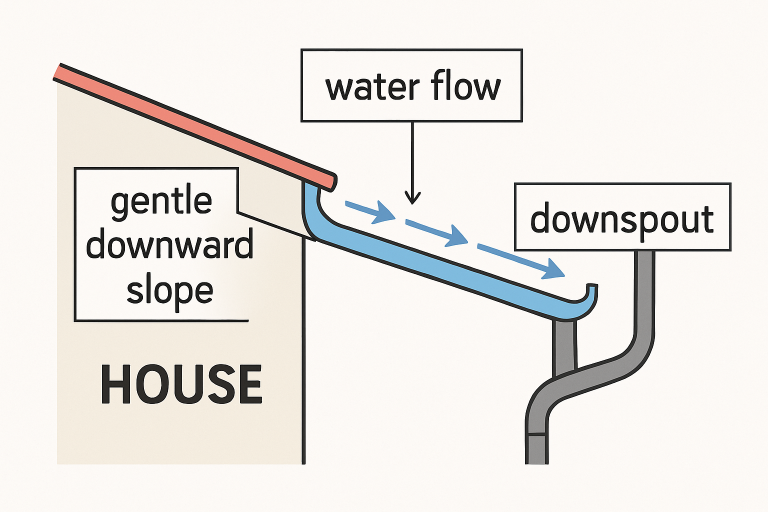
The proper function of your roof’s gutter system relies on a precise element often overlooked by homeowners: gutter slope. Gutter slope, or pitch, is the intentional, slight downward angle at which gutters are installed to ensure rainwater flows seamlessly toward designated downspout locations. If you’ve ever noticed water stagnating in the gutters or finding its way next to your home’s foundation, improper slope might be the culprit. Working with a Chicago roofer can help ensure your gutters are pitched accurately to maximize drainage and protect your property.
A standard guideline is a slope of 1/4 inch for every 10 feet of guttering. This angle is subtle yet essential, leveraging gravity so rainwater cannot pool, stagnate, or spill over. Getting the slope right is not only about function—it’s a preventative measure, safeguarding your siding, landscaping, and foundation from long-term moisture issues. Homeowners in climates with frequent rain or snow, such as the Midwest, especially benefit from professionally assessed and installed gutter systems.
The critical nature of gutter slope becomes even more apparent when considering the alternatives. Flat or negatively sloped gutters routinely fill with debris and standing water, leading to overflow, rust, and potentially mold growth in nearby structures.
Consequences of Improper Gutter Slope
- Standing Water: Insufficient gutter slope creates pockets where water collects. This stagnation accelerates rust and corrosion and provides a haven for mosquitoes and other insects.
- Overflowing Gutters: If the gutter pitch is too steep, water may travel too quickly, bypassing the downspouts. This leads to gutters overflowing, resulting in water intrusion beneath roof shingles or behind siding, causing rot, mold, and mildew over time.
- Foundation Damage: The most serious risk of a bad gutter slope is water collecting at your home’s perimeter. Persistent poor drainage undermines soil structure at the foundation, contributing to cracks, basement flooding, and expensive structural damage.
Benefits of Proper Gutter Slope
- Efficient Water Flow: The right slope ensures all rainwater, even during heavy storms, moves efficiently toward downspouts and away from the home, minimizing erosion and water-related damage.
- Reduced Maintenance: Properly sloped gutters self-clean more efficiently during rain, flushing out small debris and reducing how often you need to clear them by hand.
- Extended Lifespan: Less standing water means less risk of rust, corrosion, and freeze-thaw propensities, helping extend the functional lifetime of your gutters and reducing long-term costs.
How to Ensure Proper Gutter Slope
- Measure the Pitch: During installation or inspection, use a level and tape measure to ensure the downspout end of every gutter section is 1/4 inch lower than the opposite end for every 10 feet.
- Regular Inspection: Look for visible sagging, standing water after rain, or water marks along your fascia. Even minor misalignments can compromise performance and should be corrected promptly.
- Professional Assessment: While some homeowners perform DIY adjustments, hiring experienced professionals reduces the risk of error and ensures long-term gutter alignment.
Common Mistakes to Avoid
- Ignoring Downspout Placement: Downspouts should be positioned to accommodate regional rainfall and roof pitch. Too few or poorly located downspouts often result in gutter overflow.
- Poor Hanger Spacing: Hangers spaced too widely fail to support gutter weight, especially during storms or with accumulated debris, causing the slope to shift out of alignment over time.
- Use of Unsuitable Materials: Gutters must be constructed from materials suited to your climate. Aluminum and vinyl are common, but heavier metal gutters may be necessary for areas prone to ice and snow.
Final Thoughts
The effectiveness of your home’s gutter system begins with the correct slope. Rainwater cannot be properly managed without it, leading directly to preventable, costly issues. By focusing on accurate installation, ongoing maintenance, and timely professional support, homeowners can ensure their gutters perform as intended, year after year.