
Key Takeaways
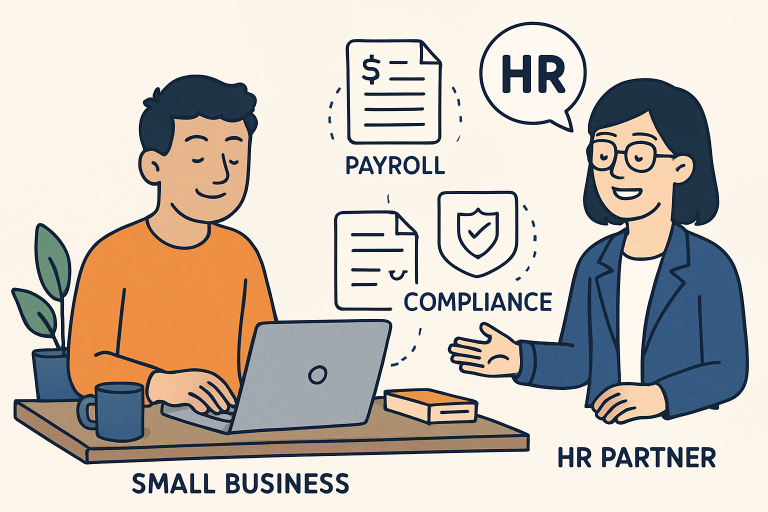
- PEOs provide administrative relief by managing HR, payroll, benefits, and compliance functions.
- Small businesses that use PEOs see higher growth rates and reduced employee turnover.
- Access to superior benefits packages through PEOs boosts talent retention and satisfaction.
- PEOs act as a compliance partner, lowering the risk of costly legal issues.
Running a small business often means juggling multiple responsibilities—from managing employees and payroll to handling benefits and ensuring compliance. These demands can stretch resources thin and distract from growth-focused initiatives. A Professional Employer Organization (PEO) offers a transformative solution by partnering with businesses to streamline HR functions, provide access to comprehensive employee benefits, and offer expert guidance on regulatory compliance. By sharing the administrative burden, PEOs empower small business owners to focus on core operations, boost efficiency, and create a more supportive workplace environment for their teams.
Many small businesses face overwhelming responsibilities in handling human resources—from staying current on employment regulations to coordinating payroll and benefits. These challenges can consume time and energy that business owners would rather devote to growth strategies and innovation. By leveraging the expertise of a Professional Employer Organization (PEO), small businesses gain access to integrated HR, payroll, and benefits solutions that streamline operations, reduce administrative burdens, and maximize productivity.
As organizations strive to remain competitive while managing limited resources, entrusting these administrative duties to a PEO becomes an increasingly attractive solution. PEOs not only improve efficiency but also foster a healthier, more stable workplace, allowing business leaders to concentrate on initiatives that fuel growth.
PEOs serve as strategic partners, allowing small employers to offer premium benefits, remain compliant with evolving laws, and benefit from the kind of HR expertise found in much larger companies. By simplifying day-to-day management and minimizing risk, they help businesses focus on what matters most: delivering value to customers and supporting employees’ careers.
Ultimately, the PEO relationship paves the way for a balanced business environment, laying the foundation for long-term success while helping companies weather industry shifts and navigate economic uncertainty.
Understanding the Role of PEOs
A Professional Employer Organization is an outsourced HR partner that delivers services such as payroll processing, risk management, benefits administration, and compliance expertise to businesses. Through a co-employment arrangement, the PEO becomes the employer of record for tax and insurance purposes. Meanwhile, client companies maintain full authority over business operations, culture, and daily leadership.
These services help businesses operate smoothly and efficiently, with fewer interruptions caused by regulatory uncertainties. For many owners, this means shifting formerly burdensome tasks to an experienced partner—one with deep industry expertise and legal knowledge—freeing them to focus on driving growth initiatives and business performance.
Benefits of Partnering with a PEO
Businesses require efficient payroll systems, adept benefits management, and quick resolution of HR matters. Professional Employer Organizations (PEOs) streamline these human resource functions, automating processes to save time and minimize errors. With reduced administrative burdens, business leaders can focus more on strategic initiatives rather than getting bogged down by paperwork.
Moreover, small business owners frequently face challenges in offering competitive benefits due to budget limitations and diminished negotiating leverage. Collaborating with a PEO can unlock access to extensive benefit programs typically available only to larger firms. This includes diverse health insurance options, dental and vision plans, retirement programs, and employee assistance initiatives. Such comprehensive benefits boost employee satisfaction and retention, providing a significant edge in a competitive labor market.
In addition to enhancing operational efficiency and employee benefits, PEOs play a crucial role in regulatory compliance. Since employment laws at both the state and federal levels are subject to frequent changes, small businesses risk potential compliance issues. PEOs are responsible for monitoring legislative shifts for their clients, managing crucial tasks like tax filings and wage tracking, while ensuring proactive risk management strategies are in place. By maintaining compliance, businesses not only avert costly fines and lawsuits but also contribute to establishing a safer working environment.
Impact on Business Growth
Research by the National Association of Professional Employer Organizations (NAPEO) demonstrates measurable benefits: small businesses that partner with PEOs experience 7-9% faster growth and enjoy 10-14% lower employee turnover on average. This is due largely to the ongoing support and employee-centric experience that PEOs bring to the table, freeing business owners to focus their resources where they have the most impact. PEOs provide access to comprehensive benefits packages and HR expertise that might otherwise be unattainable for smaller firms. They also help ensure compliance with ever-changing employment regulations, reducing costly risks and potential legal challenges. By streamlining administrative tasks, PEOs allow leadership teams to invest more time in strategic planning, innovation, and employee development.
Cost Savings and Financial Insights
A primary advantage of PEO partnerships is cost efficiency. By pooling employees from many businesses, PEOs gain access to group rates and comprehensive coverage options for health insurance, retirement savings plans, and workers’ compensation. These economies of scale mean small businesses can offer robust benefits packages at a fraction of what they would pay independently, making them more competitive in recruiting and retaining talent. PEOs also deliver advanced reporting and analytics that provide key financial insights. This helps companies spot trends in payroll, benefits usage, and other HR metrics so they can optimize spending and better anticipate resource needs.
Choosing the Right PEO
Selecting a PEO partner should be a strategic process. Important criteria include the variety and flexibility of services, deep industry experience, strong client reviews, and transparent pricing. Consider the organization’s technology platforms and willingness to tailor solutions to fit your culture and goals. Engaging in open dialogue with potential PEO partners about your business objectives will ensure a partnership that drives real value. A thoughtful selection process helps mitigate risks and ensures that the PEO can support your business as it grows. Ultimately, the right PEO becomes a trusted extension of your team, allowing you to focus on innovation and long-term success.
Conclusion
For small businesses eager to overcome administrative overwhelm and gain a competitive edge, partnering with a PEO is a game-changing move. PEOs deliver streamlined HR operations, greater legal confidence, access to top-tier benefits, and tangible cost savings. More than just support, a PEO partnership provides stability and the freedom for owners to innovate—empowering organizations to thrive in a dynamic business landscape.