
Table of Contents
- What Are High-Intent Leads?
- Role of Content Optimization in Lead Generation
- Identifying Content Gaps for High-Intent Audiences
- Strategic Keyword Placement for Better Targeting
- Creating Value-Driven Content That Converts
- Optimizing for User Intent Across the Buyer Journey
- Measuring Success and Refining Your Approach
- Conclusion
What Are High-Intent Leads?
High-intent leads are potential customers closer to purchasing than those still in the awareness or research stage. These leads typically show strong buying signals, such as searching for specific product or service terms, requesting demos, or comparing pricing options. Because they are already motivated to act, high-intent leads often convert more than general traffic. Identifying and targeting these prospects allows businesses to allocate resources more effectively and focus on opportunities with greater potential for results.
Content optimization plays a critical role in capturing high-intent leads. Businesses can ensure their content answers key questions and matches search behavior by aligning website pages, blogs, and landing pages with user intent. For example, a Chicago SEO company might focus on optimizing service pages with transactional keywords, clear calls to action, and relevant resources. This approach helps businesses engage qualified prospects and guide them toward conversion.
Role of Content Optimization in Lead Generation
Content optimization is a purposeful process of improving your digital assets to be both discoverable and convincing. It involves aligning your messaging with what high-intent leads are looking for when they are ready to decide. These efforts lead to measurable results. Organizations that use optimized content report significantly higher engagement and a better return on their digital investments.
Well-optimized content incorporates relevant keywords, persuasive on-page elements, and clear calls to action. By delivering the right information at the right time, you can dramatically increase the likelihood of a visitor becoming a qualified lead.
Identifying Content Gaps for High-Intent Audiences
The first step in maximizing your results with high-intent leads is to figure out where your existing content falls short. Conducting a content gap analysis will reveal topics and questions your target audience is actively searching for but not finding on your site. Check your competitors’ coverage—if they target topics that drive conversions (like “how to compare CRMs” or “best pricing software”) and you don’t, it’s time to fill those gaps. Websites that address these areas regularly see up to 30% more organic lead flow, showing the ongoing importance of a strong content strategy.
- Examine analytics for pages with high bounce or exit rates and assess why visitors aren’t continuing their journey.
- Leverage keyword research tools to find high-conversion, long-tail keywords relevant to your niche.
- Survey current customers about topics, questions, or pain points not addressed on your site.
Strategic Keyword Placement for Better Targeting
Targeting high-intent leads requires a precise approach to keyword usage. Focus on transactional, long-tail keywords signaling serious purchase consideration—think “compare cloud hosting options” or “buy time-tracking software.” Strategic placement of these keywords in title tags, H2 headers, meta descriptions, and body content boosts relevancy for those already near a buying decision. Common patterns include queries containing “review,” “pricing,” “compare,” or “best for [industry].” This data-driven placement differentiates your site in a competitive search landscape.
Industry experts also recommend optimizing content structure for featured snippets and voice search, ensuring your pages appear for high-intent, question-based searches. Tailoring your keywords for intent and context, rather than just volume, leads to stronger connections with ready-to-convert visitors.
Creating Value-Driven Content That Converts
To capture and convert high-intent leads, focus on delivering substantive value in every interaction. This means crafting in-depth guides, clear use cases, comparison charts, and practical resources. Detailed product or service comparisons, for example, give buyers enough information to make a confident and quick decision. Think about adding tools like calculators, downloadable whitepapers, FAQ sections, and genuine testimonials to further reassure potential customers.
- Develop comprehensive FAQ pages to resolve common pre-sale objections.
- Provide gated content—like industry-specific checklists—to turn research into leads.
- Showcase reviews, certifications, and customer logos to build instant trust.
Optimizing for User Intent Across the Buyer Journey
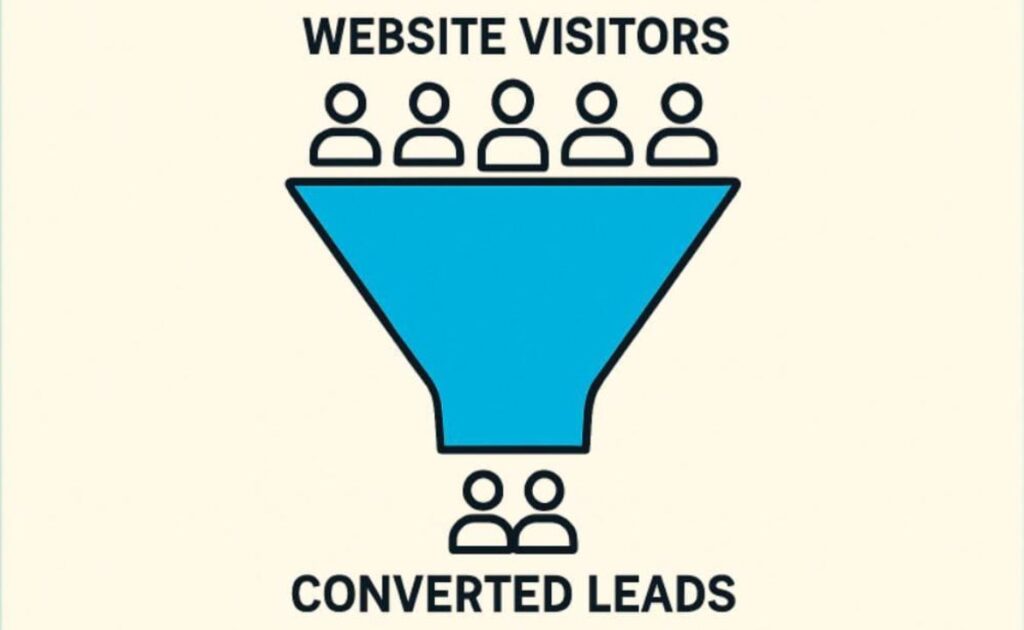
User intent shifts as prospects move through awareness, consideration, and decision-making stages. It’s crucial to map content to these phases, especially for high-intent leads in the bottom half of the funnel. Create landing pages, case studies, and demo requests specifically tailored to late-stage buyers’ questions. Calls to action should be direct and solution-oriented: “Get a Quote,” “Book Your Free Assessment,” or “See the Product in Action.” Make these CTAs highly visible and easy to act on.
- Pinpoint the exact concerns users have before purchase through interviews and sales feedback.
- Produce dedicated landing pages for each main pre-conversion query.
- Embed clear, benefit-driven CTAs throughout your content and at logical touchpoints.
Measuring Success and Refining Your Approach
Measurement and iteration are the cornerstones of effective content optimization. Start with clear KPIs: track lead quantity, conversion quality, time on page, and key action completions. Utilize tools like Google Analytics for real-time behavior insights, supplemented by heatmaps and CRM tracking to understand user journeys and campaign ROI better. Regularly assess which pages and assets drive the highest conversion rates, then double down on those approaches while A/B testing new formats for ongoing improvement.
Gather feedback directly from leads through exit survey forms or post-conversion follow-ups to understand what influenced their journey. Keeping your approach data-driven and responsive to user behavior ensures ongoing performance improvements, even as user expectations and search algorithms evolve.
Conclusion
Embracing content optimization is more than optimizing for search rankings—it’s about providing valuable answers to the buyers who matter most, right when they need them. By understanding and addressing the needs of high-intent leads, closing content gaps, strategically placing keywords, mapping content to the buyer journey, and constantly measuring results, you can transform your website into a powerful generator of qualified leads. This approach not only maximizes conversions today but also secures your competitive advantage for the future.