
Picture yourself sipping morning coffee while gazing at snow-capped mountains through massive timber-framed windows. This dream scenario drives thousands of Americans to consider western log homes as their next housing investment. However, the reality of choosing between home types involves far more than romantic visions of cabin country living.
The housing market presents countless new construction options for discerning buyers. Traditional vs log construction represents one of the most significant decisions you’ll face when planning your dream home construction. Each path offers distinct advantages and challenges that directly impact your budget constraints, lifestyle requirements, and long-term satisfaction.
Which is better log homes or traditional houses? This question doesn’t have a universal answer. Your choice depends on personal preferences, maintenance willingness, and investment timeline considerations. Let’s explore every aspect of this crucial decision to help you make the right choice for your family’s future.
What Are Western Log Homes? (Complete Beginner’s Overview)
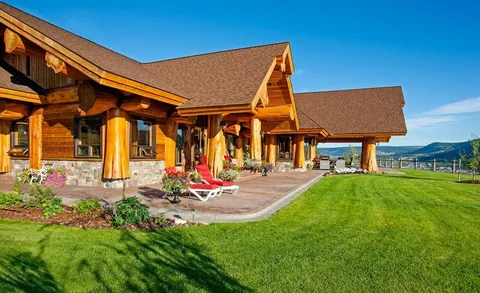
Western log homes represent authentic timber frame construction utilizing whole logs or milled lumber for structural integrity. These structures originated from frontier settlements but evolved into sophisticated custom log homes featuring modern amenities while maintaining rustic charm. Today’s log construction methods incorporate advanced engineering principles with traditional craftsmanship techniques passed down through generations.
Popular styles include chalet-inspired designs, ranch configurations, and contemporary log home architecture. Regional variations across Montana, Colorado, and Wyoming showcase distinctive craftsmanship techniques that reflect local traditions and climate considerations. Mountain home construction has adapted to harsh weather conditions while preserving the authentic aesthetic that draws buyers to this housing alternative.
Key Characteristics of Western Log Construction
Authentic log wall systems utilize interlocking joints, natural chinking materials, and massive timber beams that create distinctive structural characteristics. Modern techniques incorporate engineered foundation requirements, energy-efficient windows, and sophisticated HVAC systems integration while preserving traditional aesthetics. Hand-hewn logs showcase individual character marks, while milled logs offer consistent dimensions and tighter fits.
Building permits for log construction often require specialized engineering documentation due to unique structural properties. Construction contractors must demonstrate expertise in traditional joinery techniques and understanding of timber behavior throughout seasonal changes. The permit process typically takes longer than conventional projects due to these specialized requirements.
Popular Western Log Home Styles
Ranch-style configurations dominate flat terrain applications, featuring single-story layouts with open floor plans and covered porches. Mountain cabin designs feature steep rooflines engineered for heavy snow loads and cathedral ceilings that accommodate loft spaces. Contemporary interpretations blend traditional craftsmanship with modern amenities like smart home technology and energy-efficient systems.
Architectural styles range from rustic frontier replicas to sophisticated modern interpretations featuring large windows, stone fireplaces, and vaulted ceilings. Interior design options showcase natural materials and wood interiors that create warm, inviting atmospheres perfect for country living enthusiasts.
Traditional Houses Explained: The Standard Home Choice
Conventional construction dominates American residential markets through standardized building techniques that prioritize efficiency and affordability. Stick-built homes utilize dimensional lumber framing, drywall interiors, and mass-produced materials that create reliable housing solutions meeting diverse buyer preferences across suburban developments. This construction method represents the foundation of modern American homebuilding.
Traditional methods prioritize speed, efficiency, and cost-effectiveness through streamlined processes. Standard home building practices utilize prefabricated components, established labor processes, and readily available materials sourced from well-developed supply chains nationwide. Construction phases follow predictable sequences that enable accurate scheduling and cost estimation.
Construction Methods and Materials
Frame construction employs dimensional lumber, engineered trusses, and standardized fastening systems that create reliable structural frameworks. Exterior maintenance requirements include periodic siding replacement, roof repairs, and window maintenance using readily available materials. Site preparation and foundation work follow established procedures that most construction contractors understand thoroughly.
Framing stage construction utilizes standard lumber dimensions and connection hardware available at local building supply stores. Roofing installation and finish work employ conventional materials and techniques that numerous contractors can execute competently. This standardization reduces home construction costs and simplifies the building timeline.
Why Most Americans Choose Traditional Homes
Affordability, financing accessibility, and rapid construction timelines make conventional houses attractive to first time home buyer guide seekers. Established contractor networks and standardized building codes simplify the construction process significantly. Home financing options include numerous lender programs with competitive mortgage rates and flexible terms.
Traditional house problems remain minimal due to proven construction methods and readily available repair materials. Low maintenance housing characteristics attract busy families who prefer spending time on activities other than home maintenance. Property appreciation patterns follow predictable trends that support long-term property investment strategies.
Western Log Homes Cost Analysis: Investment Breakdown
Log home construction costs typically range $200-400 per square foot, significantly exceeding traditional alternatives due to specialized materials and craftsmanship requirements. Premium materials, specialized craftsmanship, and custom design requirements drive expenses higher than conventional building projects. How much do log homes cost? The answer depends on numerous factors including log species, construction techniques, and finishing specifications.
Material expenses include kiln-dried logs, specialty hardware, and custom millwork that command premium prices. Log cabin pricing varies dramatically based on species selection, construction techniques, and finishing specifications chosen by discerning homeowners. Building budget planning must account for these higher material costs and specialized labor requirements throughout the construction process.
Cost ComponentWestern Log HomesTraditional HousesFoundation work$15,000-25,000$12,000-18,000Framing materials$45,000-75,000$25,000-40,000Roofing installation$18,000-30,000$15,000-25,000Finish work$35,000-60,000$25,000-45,000Total per sq ft$200-400$150-250
Material Cost Breakdown
Timber costs fluctuate seasonally based on market conditions and species availability. Cedar, pine, and douglas fir represent popular choices, each offering distinct characteristics affecting both initial investment and long-term maintenance requirements. Hand-hewn logs command premium prices due to intensive labor requirements, while milled logs offer more consistent pricing structures.
Natural materials selection impacts both aesthetic appeal and durability characteristics. Premium species like western red cedar resist insects and decay naturally but cost significantly more than pine alternatives. Construction loans often require detailed material specifications and cost estimates before approval.
Labor and Specialty Contractor Fees
Skilled log home builders command premium wages due to specialized expertise requirements that distinguish them from conventional contractors. Complex joinery techniques and custom fitting demand experienced craftsmen familiar with traditional construction methods. Professional help needs include specialized consultants for foundation design, structural engineering, and building code compliance.
Construction contractors specializing in log construction typically charge 20-30% more than conventional builders due to specialized skills and equipment requirements. Home builders must invest in specialized tools and training to work effectively with timber construction techniques. These additional costs contribute significantly to overall project expenses.
Traditional House Costs: What You’ll Really Pay
Traditional home costs average $150-250 per square foot across most American markets, reflecting standardized construction methods and competitive contractor availability. Standardized construction methods, readily available materials, and competitive contractor networks keep expenses relatively predictable for budget-conscious buyers. Cost per square foot calculations remain more consistent due to established building practices.
Regional variations reflect local labor costs, material availability, and building code requirements that influence final pricing. Conventional building expenses remain stable due to established supply chains and streamlined construction processes. Property taxes assessments follow predictable patterns based on square footage and standard amenities.
Regional Cost Variations
Metropolitan areas command higher prices due to land costs and labor shortages that affect all construction projects. Rural markets offer more affordable traditional construction options while maintaining quality standards expected by homeowners. Building in rural areas often reduces labor costs but may increase material delivery expenses.
Cold climate building requirements add insulation and heating system costs that vary by geographic location. Remote area construction may increase costs due to material transportation and limited contractor availability. These factors must be considered when comparing regional pricing structures.
Hidden Costs and Budget Considerations
Permit fees, utility connections, and site preparation add substantial expenses that inexperienced buyers often overlook during initial planning. Standard home building projects require contingency budgets for unexpected complications during construction phases. Home insurance premiums remain relatively predictable for conventional construction methods.
Property investment analysis should include all ownership costs including property taxes, insurance, and maintenance expenses. Return on investment calculations depend on accurate cost projections and realistic appreciation expectations. Investment timeline planning helps buyers understand long-term financial implications.
Energy Efficiency: Log Homes vs. Traditional Houses
Log wall thermal mass provides natural temperature regulation that reduces heating and cooling demands throughout seasonal changes. Thick timber walls store and release heat gradually, creating comfortable interior environments during temperature fluctuations. Are log homes energy efficient? The answer depends on construction quality and climate conditions where the home is located.
Traditional houses rely on artificial insulation values and mechanical climate control systems for temperature management. Conventional energy efficiency depends heavily on insulation quality, window performance, and HVAC systems specifications chosen during construction. Energy bills reflect the effectiveness of these artificial systems rather than natural thermal properties.
Energy FactorLog HomesTraditional HousesR-value per inchR-1.0 to R-1.5R-11 to R-38 (with insulation)Thermal massExcellentPoor to moderateAir infiltrationVariableControlledHeating costsModerateVariableCooling expensesLowModerate to high
Insulation Properties and R-Values
Log home insulation occurs naturally through thermal mass properties that store and release heat energy gradually. However, traditional fiberglass and foam insulation systems often achieve higher R-value ratings per inch of wall thickness. Green building standards increasingly recognize thermal mass benefits for sustainable homes design.
Energy efficiency comparisons must consider both insulation values and thermal mass effects on actual energy bills. Cold climate homes benefit significantly from thermal mass properties during winter heating seasons. Weather resistant homes design incorporates both insulation and thermal mass principles for optimal performance.
Maintenance Requirements: Which Demands More Work?
Log home maintenance involves regular staining and sealing, chinking repair, and pest prevention measures that require specialized knowledge and materials. Annual upkeep includes inspection of settling issues, moisture problems, and structural concerns requiring prompt attention from experienced professionals. Are log homes hard to maintain? The honest answer is yes, they require more specialized attention than conventional homes.
Traditional house upkeep follows predictable maintenance schedule patterns that most homeowners understand. Exterior maintenance includes periodic painting, roof repairs, and HVAC systems servicing that represent typical responsibilities manageable by homeowners or local contractors. Interior maintenance requirements remain minimal compared to log home alternatives.
Annual Maintenance Costs Comparison
Log cabin maintenance costs average $2,000-5,000 annually depending on climate exposure and wood species selection. Traditional homes require $1,000-3,000 yearly for routine upkeep tasks including painting, roof maintenance, and system servicing. High maintenance homes characteristics make log construction unsuitable for buyers seeking low maintenance housing alternatives.
Log home care includes specialized tasks like weatherproofing treatments, chinking inspections, and wood preservation applications. Maintenance willingness becomes a crucial factor when choosing between home types with different upkeep requirements. Time availability for maintenance tasks should influence housing decisions significantly.
Log home maintenance issues can become expensive if neglected, while traditional house problems typically cost less to resolve. Skill level requirements for log home maintenance exceed those needed for conventional homes. Professional maintenance services cost more for specialized log home applications.
Durability and Lifespan: Built to Last Comparison
Log home longevity exceeds 100 years with proper maintenance and quality construction techniques that protect against moisture and insect damage. Ancient timber structures demonstrate remarkable durability when protected from environmental threats through vigilant care and appropriate treatments. Do log homes last longer? Historical evidence suggests properly maintained log structures outlive most conventional buildings.
Traditional house lifespan averages 50-80 years before major renovations become necessary to maintain functionality and aesthetic appeal. Modern materials and building techniques create durable home construction that requires periodic updates to maintain market competitiveness. Long lasting homes require appropriate maintenance regardless of construction method.
Weather Resistance Factors
Log construction weather resistance depends on species selection, protective treatments, and maintenance quality that preserve wood integrity. Properly maintained timber withstands extreme conditions better than many conventional materials when properly protected from moisture infiltration. Weather resistant homes design incorporates protective overhangs and proper drainage systems.
Cold climate building techniques for log homes include specialized foundation designs and weatherproofing applications. Mountain home construction must withstand extreme temperature variations and heavy snow loads that test structural integrity. Forest property homes face additional challenges from wildfire risks and insect infestations.
Design Flexibility: Customization Options Explored
Log home design flexibility allows extensive customization within structural limitations imposed by timber construction techniques. Timber construction accommodates open floor plans, vaulted ceilings, and dramatic architectural features challenging to achieve with conventional framing methods. Custom log homes showcase unique design elements impossible with standard construction techniques.
Traditional house customization offers unlimited architectural possibilities through standardized building systems that accommodate diverse design preferences. Modular construction techniques enable rapid modifications and expansions throughout the home’s lifecycle. Room layouts can be modified easily during construction or renovation projects.
Interior Design Considerations
Log home interiors showcase natural wood grain and rustic textures that create distinctive atmospheric characteristics. Rustic decor complements timber construction naturally, while contemporary furnishings create striking contrasts. Stone fireplaces and wood interiors provide authentic aesthetic elements that define cabin lifestyle appeal.
Traditional homes provide blank canvases accepting any decorating style from contemporary minimalism to classic elegance. Interior design flexibility allows homeowners to change aesthetic directions without structural constraints. Storage options and outdoor spaces integration offer unlimited possibilities for customization.
Location Considerations: Where Each Home Type Works Best
Western log homes thrive in rural, mountainous regions with abundant timber resources and appropriate aesthetic settings. Mountain homes complement forested settings while providing privacy and recreational opportunities appealing to outdoor enthusiasts. Best home for mountain living discussions typically favor log construction for aesthetic integration with natural surroundings.
Traditional houses adapt to diverse environments from urban subdivisions to suburban developments with established infrastructure. Versatile construction methods accommodate various lot sizes, neighborhood aesthetics, and municipal building requirements effectively. Neighborhood factors influence housing choices significantly in established communities.
Climate Suitability Analysis
Log home climate performance excels in temperature-stable environments with moderate humidity levels. Extreme humidity variations can cause timber movement requiring ongoing maintenance attention from knowledgeable homeowners. Rural living locations often provide ideal conditions for log home performance and aesthetic appeal.
Building in rural areas offers advantages for log home construction including larger lot sizes and fewer building restrictions. Remote properties provide privacy and natural beauty that complement log home aesthetics. Acreage homes allow for proper drainage and landscaping integration essential for log home longevity.
Lakefront properties and woodland homes provide ideal settings for log construction while presenting unique challenges for foundation design and moisture control. Recreational properties often feature log construction due to aesthetic appeal and connection with natural surroundings.
Insurance and Financing: What You Need to Know
Log home insurance costs more due to fire risks and specialized replacement requirements that concern insurance companies. Rural locations often lack nearby fire protection services, increasing premium rates and coverage limitations significantly. Home insurance premiums reflect these increased risks through higher costs and restricted coverage options.
Traditional home financing follows established mortgage guidelines with competitive interest rates and flexible terms. Conventional construction methods reduce lender concerns about appraisal values and resale potential that affect loan approval decisions. Construction loans approval processes remain straightforward for conventional building projects.
Specialty Lenders and Requirements
Log home mortgages require specialized lenders familiar with timber construction appraisals and market trends affecting log home values. Down payment requirements often exceed conventional loan standards due to perceived investment risks. Home financing options remain limited compared to traditional construction alternatives.
Property investment analysis becomes more complex for log homes due to specialized maintenance requirements and limited market appeal. Investment property types considerations should include financing limitations and insurance complications. Second home options often favor conventional construction for financing simplicity.
Construction Timeline: How Long Does Each Take?
Log home construction typically requires 8-12 months from groundbreaking to occupancy due to specialized processes and weather dependencies. Custom milling, specialized craftsmanship, and weather-dependent processes extend timelines beyond conventional building schedules significantly. How long do log homes take to build? The answer depends on complexity, weather conditions, and contractor availability.
Traditional house construction averages 4-6 months using standardized building techniques and readily available materials. Streamlined processes, material availability, and experienced contractor networks enable predictable completion schedules. Building timeline reliability attracts buyers with specific occupancy requirements.
Weather Delays and Seasonal Considerations
Log construction weather sensitivity requires dry conditions for proper installation and curing processes. Winter weather can halt progress for months in northern climates, extending project timelines significantly. Construction phases must be planned around seasonal weather patterns for optimal results.
Home construction challenges include weather delays, material availability, and contractor scheduling conflicts that affect all building projects. Rural home building may face additional challenges from access limitations and utility connections. Remote area construction requires careful planning for material delivery and worker transportation.
Resale Value: Investment Potential Comparison
Log home resale values depend heavily on location, maintenance quality, and buyer preferences within specialized market segments. Niche market appeal limits potential buyer pools but can command premium prices from motivated purchasers seeking authentic cabin lifestyle experiences. Do log homes hold their value? The answer varies significantly by location and maintenance quality.
Traditional house investment potential benefits from broad market appeal and established valuation methods that appraisers understand. Standardized construction facilitates accurate appraisals and predictable property appreciation patterns over time. Market trends favor conventional construction for reliable investment performance.
Market Trends and Buyer Preferences
Western log home demand fluctuates with economic conditions and lifestyle trends that influence buyer preferences. Remote work opportunities increase rural property appeal among urban professionals seeking lifestyle changes. Vacation home styles often favor log construction for aesthetic appeal and recreational property character.
Retirement home ideas sometimes include log homes for their connection with nature and peaceful settings. Family home choices typically favor conventional construction for practical considerations including schools, healthcare, and employment proximity. Future needs planning should include aging in place considerations for both construction types.
Lifestyle Considerations: Living Experience Differences
Log home lifestyle emphasizes connection with nature, self-reliance, and rustic authenticity that appeals to outdoor enthusiasts. Rural living provides privacy and recreational opportunities while requiring greater independence from urban conveniences and services. Cabin country living suits families comfortable with remote properties and outdoor activities.
Traditional house living offers suburban convenience with established infrastructure, nearby services, and community amenities that most families expect. Standardized neighborhoods provide social connections and municipal services including schools, healthcare, and shopping. Country living versus urban convenience represents a fundamental lifestyle choice.
Family Considerations and Space Needs
Log home family living suits outdoor-oriented households comfortable with maintenance responsibilities and rural locations. Vacation homes provide retreat opportunities while primary residence choices require practical considerations. Family growth planning must consider space limitations and expansion possibilities.
Traditional homes accommodate diverse family needs through flexible design options and convenient locations near schools and services. Personal preferences and lifestyle requirements should drive housing decisions more than aesthetic considerations alone. Location preferences significantly impact daily life quality and family satisfaction.
Pros and Cons: Complete Side-by-Side Comparison
Western log homes advantages include natural beauty, thermal mass efficiency, durability, and unique character that create distinctive living experiences. What are the benefits of log homes? They offer authentic aesthetic appeal, natural insulation properties, and connection with outdoor environments. Disadvantages encompass higher costs, maintenance demands, insurance challenges, and limited financing options available to buyers.
Traditional houses benefits feature affordability, financing accessibility, low maintenance requirements, and broad market appeal that satisfy most buyer preferences. Pros and cons of log homes must be weighed against conventional alternatives carefully. Drawbacks include generic aesthetics, energy dependence, and shorter lifespans requiring periodic renovations.
FactorLog Homes ProsLog Homes ConsTraditional ProsTraditional ConsCostLong-term valueHigh initial costAffordableModerate appreciationMaintenanceDurable materialsHigh maintenanceLow maintenanceStandard upkeepEnergyNatural efficiencyVariable performancePredictable costsArtificial systemsFinancingUnique investmentLimited optionsEasy financingStandard termsLifestyleAuthentic livingRural limitationsConvenientGeneric appeal
Decision-Making Factors Summary
Western log homes vs traditional houses decisions depend on budget constraints, maintenance willingness, location preferences, and lifestyle requirements that vary among individuals. Neither option suits every buyer’s circumstances perfectly. Housing alternatives should be evaluated based on personal priorities rather than general recommendations.
Investment timeline considerations include both short-term costs and long-term value potential that differ significantly between construction types. Personal preferences regarding maintenance involvement and aesthetic priorities should influence decisions substantially. Time availability for upkeep responsibilities becomes crucial for log home ownership success.
Making Your Decision: Which Home Type Is Right for You?
Choosing between log homes and traditional houses requires honest assessment of financial resources, maintenance capabilities, and long-term lifestyle goals that will influence satisfaction for decades. Consider family needs, location preferences, and investment timeline carefully before making final decisions. Dream home construction should align with practical realities rather than romantic ideals.
Professional consultation with experienced builders, financial advisors, and real estate experts provides valuable insights unavailable through research alone. Western log homes vs traditional houses comparisons should include total ownership costs and personal satisfaction factors. Custom home options exist within both construction categories to meet specific requirements.
Key Questions to Ask Yourself
Evaluate maintenance willingness, budget constraints, location preferences, and family needs honestly before making housing commitments. Home type selection impacts daily life quality and financial stability for decades. Are log homes worth it? Only you can answer this question based on your specific circumstances and priorities.
First time home buyer guide resources recommend careful evaluation of all ownership costs including maintenance, insurance, and financing expenses. Professional help needs vary significantly between construction types and should influence decision-making processes. Skill level requirements for successful ownership differ substantially between options.
Professional Consultation Recommendations
Experienced home builders, mortgage specialists, and real estate professionals offer invaluable guidance for complex housing decisions. Western log homes vs traditional houses decisions benefit from expert insights and market knowledge unavailable to inexperienced buyers. Construction contractors specializing in each type provide realistic cost and timeline estimates.
Building permits and code compliance requirements vary significantly between construction types and locations. Professional consultation helps navigate. Western Home Decor Boutique these complexities effectively. Investment property types analysis requires specialized knowledge of market trends and financing options that professionals provide.
Conclusion
Western log homes vs traditional houses represents more than a simple construction choice – it’s a lifestyle decision that impacts your daily experience, financial commitment, and long-term satisfaction. Log cabin vs regular house comparisons reveal fundamental differences in cost, maintenance, energy efficiency, and market appeal that buyers must understand thoroughly.
Neither option provides universal superiority over the other. Traditional vs log construction success depends on matching housing type to individual circumstances, maintenance willingness, and lifestyle requirements. Custom vs production homes considerations apply within both categories, offering opportunities for personalization regardless of construction method chosen.
The key to successful homeownership lies in honest self-assessment and realistic expectation setting. Western log homes suit buyers seeking authentic experiences, comfortable with higher costs and maintenance demands, and drawn to rural living environments. Traditional houses serve families prioritizing convenience, affordability, and broad market appeal for future resale potential.
Before making your final decision, consult with qualified professionals, visit model homes, and carefully evaluate total ownership costs over your expected ownership period. Western log homes vs traditional houses decisions deserve thorough analysis and professional guidance to ensure your choice aligns with your long-term goals and capabilities. Your perfect home awaits – whether it’s crafted from timber or conventional materials depends entirely on your unique circumstances and preferences./isolated-segment.html