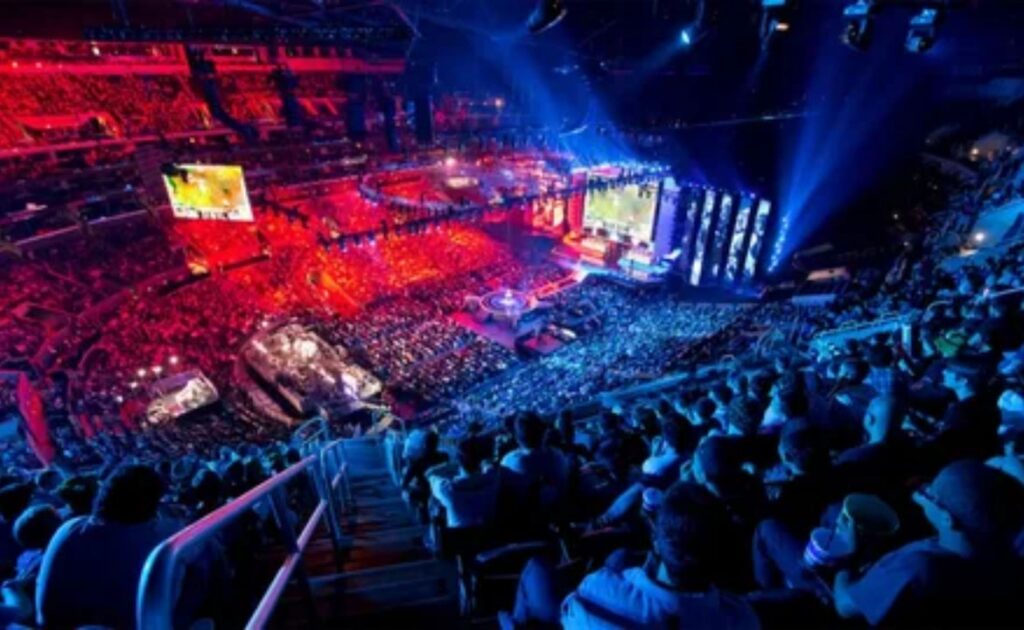

The world of competitive gaming has transformed from a niche hobby into a global entertainment phenomenon. Esports News Dualmedia coverage has become essential for fans, players, and industry professionals alike. As esports continues to evolve at breakneck speed, dual media platforms are revolutionizing how we consume tournament coverage. They’re also changing how we follow team updates and emerging trends in competitive gaming.
The Evolution of Esports Media Coverage
Traditional sports media has long relied on television broadcasts and print journalism. However, esports demands a more dynamic approach. The integration of streaming platforms, social media, and interactive content has created “dual media.” This approach combines traditional broadcasting methods with digital-first content creation. Esports News Dualmedia reaches audiences across multiple platforms simultaneously. This maximizes engagement and accessibility.
Platforms like Twitch, YouTube Gaming, and emerging competitors have fundamentally changed tournament broadcasting. Unlike traditional sports, esports viewers expect real-time interaction. They want behind-the-scenes content and multi-angle perspectives. Only dual media approaches can provide these features effectively.
Major Tournament Highlights and Breaking News
The 2024-2025 esports season has delivered unprecedented excitement across multiple game titles. The League of Legends World Championship recently concluded with record-breaking viewership numbers. Counter-Strike 2’s Major tournaments continue to set new standards for competitive integrity. They also establish new benchmarks for production value. Esports News Dualmedia platforms have been instrumental in delivering comprehensive coverage of these events. They provide both live commentary and analytical deep-dives for different audience types.
Valorant’s Champions tournament has emerged as a cornerstone event in the tactical shooter genre. Teams from across the globe compete for multi-million dollar prize pools. The tournament’s success demonstrates the growing maturity of esports as a legitimate sporting enterprise. Professional team organizations are investing heavily in player development. They’re also funding coaching staff and support infrastructure.
Mobile esports continues its meteoric rise, particularly in Asian markets. Games like Honor of Kings and PUBG Mobile are drawing massive audiences. They’re creating new opportunities for dual media coverage. This coverage spans traditional streaming platforms and mobile-native content formats.
Team Dynamics and Roster Changes
The esports landscape is characterized by constant roster shuffles and strategic team building. Major organizations like Team Liquid, Fnatic, and Cloud9 have made significant moves in recent months. They’re adapting to meta changes and seeking competitive advantages. Esports News Dualmedia coverage has become crucial for tracking these developments. Teams often announce changes across multiple platforms simultaneously.
Player transfers in esports often rival traditional sports in terms of financial investment. They also generate similar levels of fan interest. The recent acquisition of several star players by emerging organizations has shifted power dynamics. This change affects multiple game titles. These moves reflect the increasing professionalism of esports. Player contracts, performance analytics, and brand partnerships now play crucial roles in team success.
Young talent continues to emerge from regional scenes. Amateur players are making dramatic leaps to professional competition. The development of academy leagues and amateur tournaments has created clear pathways for aspiring professionals. Comprehensive media coverage supports these pathways by highlighting rising stars and breakthrough performances.
Emerging Trends Shaping the Industry
Several key trends are reshaping the esports landscape. Dual media coverage is essential for understanding their implications. The integration of artificial intelligence in competitive gaming analysis has revolutionized team preparation. It has also transformed how audiences consume content. Advanced statistics, predictive modeling, and real-time performance analysis are becoming standard features. Esports News Dualmedia coverage now includes these elements regularly.
Virtual and augmented reality technologies are beginning to influence tournament presentation. They’re also changing how tournaments are experienced. While still in early stages, VR tournament viewing and AR-enhanced broadcasts represent the next frontier. These technologies promise to bridge the gap between physical attendance and remote viewing. They create more immersive experiences for global audiences.
The rise of women’s esports leagues has created new opportunities for inclusive competitive gaming. Mixed-gender competitions are also gaining traction. Organizations are investing in female player development. They’re creating separate competitive circuits that provide equal opportunities and recognition. This trend reflects broader societal movements toward gender equality in professional sports.
Technology and Broadcasting Innovation
The technical infrastructure supporting modern esports has reached sophisticated levels. It now rivals traditional sports broadcasting. Multi-camera setups, player perspective streams, and real-time statistical overlays have become standard features. Broadcasting teams now include dedicated observers. They also employ statistical analysts and social media coordinators. The Online Event of the Year Is Here These professionals work together to create comprehensive viewing experiences.
Cloud gaming technology is beginning to influence competitive play. Some tournaments are experimenting with cloud-based competition platforms. This development could democratize competitive gaming by reducing hardware barriers. It would also enable more consistent competitive environments across different geographic regions.
Financial Growth and Investment Trends
Esports revenue continues its upward trajectory. Sponsorship deals, media rights, and merchandise sales are driving unprecedented growth. Major brands from automotive, technology, and consumer goods sectors are investing heavily in esports partnerships. They recognize the value of reaching younger demographic audiences.
The development of esports betting markets has created new revenue streams. However, it has also raised important questions about integrity and regulation. Professional leagues are implementing strict oversight measures. They aim to maintain competitive fairness while capitalizing on fan engagement opportunities.
Looking Ahead: The Future of Competitive Gaming
As we advance through 2025, the esports industry shows no signs of slowing down. New game titles continue to emerge with competitive potential. Established franchises evolve to maintain relevance. The integration of blockchain technology, NFT collectibles, and cryptocurrency sponsorships represents emerging frontiers. These could reshape fan engagement and player compensation models.
The global expansion of esports continues. Developing markets are showing tremendous growth potential. Regional leagues in South America, Africa, and Southeast Asia are gaining prominence. Improved internet infrastructure and increasing local investment support this growth.
In conclusion, Esports News Dualmedia coverage has become indispensable for navigating the complex world of competitive gaming. As tournaments grow larger and teams become more professional, technology continues advancing. Dual media approaches ensure that fans, players, and industry stakeholders stay informed. They provide the latest developments shaping the future of esports. The symbiotic relationship between traditional broadcasting and digital-native content creation will continue driving innovation. This will shape how we experience competitive gaming as a legitimate sporting and entertainment medium.